Top Electronics Recycling for Bulk Disposal
Green Initiatives: How E-Waste Recycling Services Are Protecting Our Planet
Electronic waste presents serious dangers to the environment, as discarded electronics often contain toxic materials. These hazardous substances can contaminate soil and water, resulting in widespread environmental harm. E-waste recycling initiatives provide a Explore now practical answer. They not only recover valuable resources but also mitigate pollution. Gaining insight into how these programs function and affect local communities is critical. Pursuing efficient e-waste management brings forth pressing questions regarding individual duties and shared responsibility. What steps can be taken next?
Why E-Waste Is Bad for the Planet
Even though technological advancements improve contemporary living, e-waste creates significant environmental threats. Disposed electronic equipment, frequently composed of hazardous materials such as lead, mercury, and cadmium, may release harmful substances into soil and groundwater, presenting dangers to ecosystems and human health. The rapid pace of technological advancement contributes to higher rates of electronics disposal among consumers, worsening the buildup of electronic waste.
Landfills, already overwhelmed with refuse, find it difficult to handle the increasing amounts of discarded devices. Burning, an alternative disposal approach, discharges toxic contaminants into the air, worsening overall air quality. Moreover, poor recycling procedures can cause e-waste to be sent to developing regions, where employees may disassemble electronics without sufficient safety precautions, leaving them vulnerable to harmful substances. This ongoing cycle of carelessness and inadequate management emphasizes the pressing necessity for responsible recycling initiatives that can lessen the harmful consequences of e-waste on our world.
What Is E-Waste and Its Importance?
E-waste, also referred to as electronic waste, encompasses unwanted electronic equipment including computers, smartphones, and televisions that have reached the end of their useful life. This increasingly prevalent form of waste is important due to its rapid accumulation, driven by technological advancements and consumer trends. With an increasing number of devices reaching obsolescence, the ecological consequences become more pronounced, with dangerous elements including lead, mercury, and cadmium threatening both ecosystems and public health.
Addressing e-waste is crucial not only for reducing these dangers but also for acknowledging the precious materials found within it. Valuable metals and rare earth materials can be extracted and repurposed, lessening the demand for mining and preserving natural resources. Through a deeper awareness of e-waste and its consequences, both individuals and organizations can make well-informed choices regarding disposal and recycling, thereby supporting a more sustainable future. Responsible management of e-waste plays a key role in supporting a circular economy and championing environmental stewardship.
How the E-Waste Recycling Process Works
E-waste recycling entails a systematic process intended to extract beneficial components while minimizing environmental impact. At the outset, discarded electronics are retrieved and sent to purpose-built recycling plants. Once there, the equipment is meticulously organized to distinguish harmful elements from reusable resources.
After this step, technicians break down the electronics, removing plastics, metals, and glass. This stage is crucial, as it facilitates the reclamation of precious metals like gold, silver, and copper, which are repurposed in modern electronics.
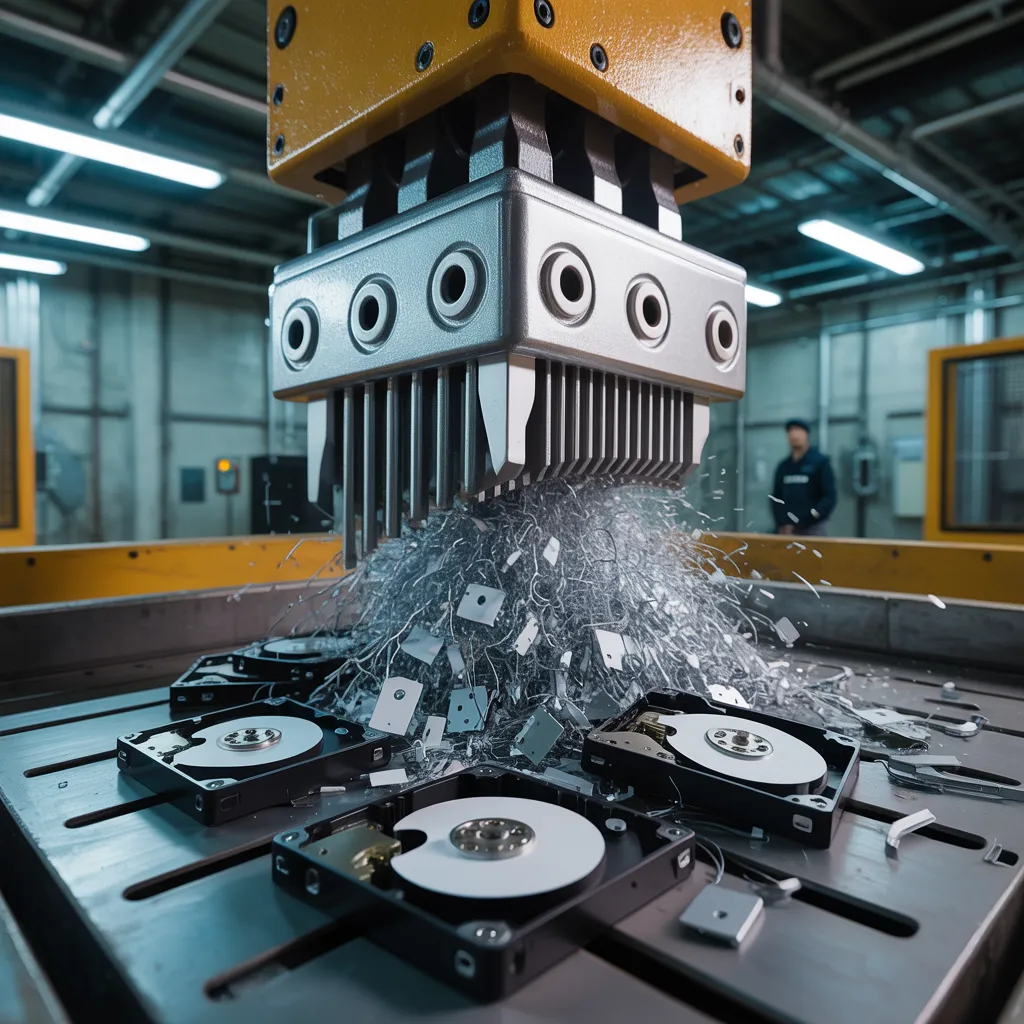
Following this, the separated materials are treated via advanced techniques, such as mechanical shredding and chemical processing, to purify them for further use.
In the final step, the residual hazardous waste is handled with responsibility, complying with environmental regulations. This comprehensive process not only preserves valuable resources but also reduces the dangers linked to unsafe e-waste handling, ensuring a more sustainable future for electronic consumption.
Why E-Waste Recycling Matters for You and Your Community
While many individuals may not realize it, the advantages of e-waste recycling reach well past personal use to meaningfully influence entire communities. By carefully processing electronic waste, individuals contribute to a cleaner environment, decreasing hazardous materials that can contaminate soil and water. This forward-thinking practice actively safeguards local ecosystems and supports public health.
Moreover, e-waste recycling fosters job creation within communities. Nearby recycling establishments regularly need employees for numerous tasks, including collection and processing, therefore offering work opportunities to area workers. This not only boosts the local economy but also promotes community participation in sustainable initiatives.
In addition, knowledge about e-waste recycling may result in learning opportunities, encouraging residents to pursue greener alternatives. By taking part in e-waste recycling programs, individuals promote a culture of sustainability, prompting others to do the same. All things considered, the combined impact of these actions can create a more robust and eco-friendly community.
A Guide to Selecting an E-Waste Recycling Service
Choosing the most suitable e-waste recycling service is essential for ensuring that electronic refuse is processed with responsibility and sustainability. To begin, individuals should verify the service's credentials, such as R2 or e-Stewards, which signify adherence to established benchmarks for secure waste disposal procedures. It's also important to assess the company's standing by reviewing feedback and obtaining recommendations from trusted sources.
Moreover, transparency in the recycling process is vital. A dependable provider should supply straightforward details about the way e-waste is handled and how the materials are utilized. Additionally, considering the scope of services provided can prove valuable; various firms may supply retrieval services or extend benefits for recycling.
Ultimately, being aware of area-specific requirements for e-waste disposal can additionally influence the evaluation process. When these considerations are given priority, consumers can play a role in successful electronic waste reduction while also advancing sustainable environmental efforts.
Ways You Can Participate in E-Waste Recycling?
Participating in e-waste recycling often starts at the local level, where recycling centers often provide essential services for responsible disposal. Furthermore, participating in community awareness campaigns can amplify efforts to raise awareness about the importance of ethical e-waste practices. These actions not only encourage sustainable practices but also cultivate a collective sense of stewardship of the environment.
Local Recycling Centers
Several community recycling facilities serve a vital function in electronic waste recycling, offering communities convenient opportunities to manage electronic waste appropriately. These centers accept a variety of digital devices, including aging computers, cell phones, and television sets, guaranteeing that dangerous substances are processed safely. Many hubs feature knowledgeable personnel who can guide individuals on proper disposal methods, stressing the significance of recycling instead of landfilling. Furthermore, many centers offer organized drop-off opportunities or appointed collection periods, making it easy for residents to participate. By engaging with these local facilities, community members advance a circular economy, minimizing ecological impact and fostering sustainable behaviors. Engaging with these centers empowers communities to take action against e-waste pollution effectively.
Public Awareness Initiatives
Local organizations, schools, and businesses can collaborate to host events that promote e-waste collection drives. Volunteers can play a pivotal role in raising awareness, sharing informational resources, and connecting with local residents. By means of these joint initiatives, residents become more informed and motivated to recycle their electronic waste, ultimately contributing to a more sustainable future.
Common Questions and Answers
What Electronic Devices Are Eligible for Recycling?
Various electronics can be recycled, including smartphones, computers, laptops, televisions, printers, and gaming consoles. Additionally, ancillary devices such as mice, keyboards, and batteries are well-suited for recycling, contributing to sustainable environmental practices.
Do Any Costs Come With E-Waste Recycling?
Indeed, e-waste disposal sometimes comes with fees, depending on the service provider. Some service centers charge fees for collection or processing, while some providers offer free services, frequently supported by the resale of recovered materials.
How Can Businesses Benefit From E-Waste Recycling?
Companies can take advantage of e-waste recycling by lowering disposal expenses, enhancing their environmental image, adhering to regulatory requirements, recovering valuable materials, and creating potential earnings via resale, thereby fostering a more environmentally responsible business approach.
What Happens to Data on Recycled Devices?
Information regarding recycled devices is often completely removed or obliterated throughout the recycling process. This confirms sensitive information is kept safe, preventing unauthorized access while permitting resources to be repurposed safely and responsibly in new products.
Is It Possible to Recycle Damaged Electronics?
Indeed, defective electronics are able to be recycled. Several collection points process defective devices, ensuring responsible disposal and extraction of useful materials. It helps decrease harm to the environment while fostering responsible recycling practices to control electrical waste properly.